.png)


Explore Sport Fishing Basics
- Epic Daze SF Digital Team

- Nov 24, 2025
- 4 min read
Fishing is one of those timeless adventures that combines patience, skill, and a bit of luck. Whether you’re stepping onto a boat for the first time or casting your line from the shore, the thrill of sport fishing is unbeatable. I’ve spent countless hours on the water, and I’m excited to share some of the best sport fishing basics with you. Ready to reel in your first big catch? Let’s dive in!
Getting Started with Sport Fishing Basics
Before you even think about bait or tackle, it’s important to understand the foundation of sport fishing. This isn’t just about throwing a line in the water; it’s about knowing your gear, your environment, and the fish you want to catch.
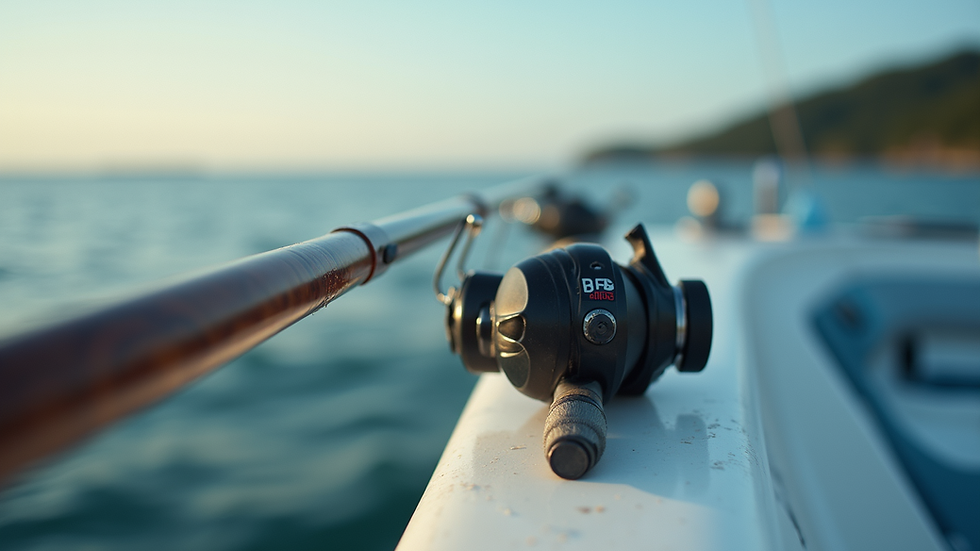
First things first: choose the right fishing rod and reel. For beginners, a medium-action rod paired with a spinning reel is a great combo. It’s versatile and easy to handle, especially if you’re targeting a variety of fish species. Don’t forget to pick the right fishing line too—monofilament lines are forgiving and perfect for newbies.
Next, learn about the types of bait and lures. Live bait like shrimp or minnows can be irresistible to fish, but artificial lures offer convenience and variety. Experiment with different colors and sizes to see what works best in your fishing spot.
Finally, get familiar with the local fishing regulations. Knowing the size limits, catch limits, and protected species will keep your fishing trip legal and sustainable.
What is the first rule of fishing?
If you ask any seasoned angler, they’ll tell you the first rule of fishing is patience. It’s not just about waiting; it’s about being calm, observant, and ready to act when the moment comes. Fish don’t always bite on command, and sometimes the best catch happens after hours of quiet waiting.
Another key part of this rule is respecting the environment. Keep your fishing spot clean, handle fish gently if you plan to release them, and always follow ethical fishing practices. This respect ensures that the waters stay healthy and full of life for future trips.
Remember, fishing is as much about the experience as it is about the catch. Enjoy the peaceful moments, the sounds of the water, and the thrill when you finally feel that tug on your line!
Mastering Casting Techniques for Success
Casting might seem straightforward, but mastering it can make a huge difference in your fishing success. The goal is to place your bait or lure exactly where the fish are hiding without scaring them away.
Start with the basic overhead cast. Hold your rod with a firm grip, pull the line back behind you, and then flick it forward smoothly. Practice this motion on land before hitting the water. Once you’re comfortable, try the sidearm cast for tighter spots or windy conditions.
Another trick is to learn how to control your line’s length. Sometimes, casting far is necessary, but other times, a short, precise cast near structures like rocks or docks is better. Fish often hide in these areas, so getting your bait close can increase your chances.
Don’t forget to watch the water for signs of fish activity—ripples, jumping fish, or birds diving can all point you in the right direction.

Essential Gear and Safety Tips for Your Fishing Trip
Having the right gear can make your fishing trip comfortable and successful. Besides your rod and reel, here are some essentials you should never leave behind:
Tackle box with extra hooks, sinkers, and lures
Fishing pliers for removing hooks safely
Sunscreen and a hat to protect from the sun
Polarized sunglasses to reduce glare and see fish below the surface
Cooler to keep your catch fresh
First aid kit for minor injuries
Safety is just as important as gear. Always check the weather forecast before heading out. If you’re on a boat, wear a life jacket and make sure someone knows your plans. Stay hydrated and take breaks to avoid fatigue.
If you’re new to deep-sea fishing, consider booking a charter with experienced guides. They provide all the gear, know the best spots, and teach you the ropes. Plus, it’s a fantastic way to learn and have fun without the stress of planning everything yourself.
Tips for Reading the Water and Finding Fish
One of the coolest skills you can develop is reading the water. Fish don’t just swim randomly—they follow patterns based on food, temperature, and shelter.
Look for changes in water color. Darker patches often indicate deeper water or underwater structures where fish like to hang out. Floating debris, weed beds, and drop-offs are also hotspots.
Pay attention to the time of day. Early morning and late afternoon are usually prime fishing times because fish are more active. Overcast days can also be great since fish feel safer coming out to feed.
Use your senses—listen for splashes or watch for birds diving. These natural clues can lead you straight to the action.
If you want to dive deeper into these strategies, check out this handy guide on beginner fishing tips and tricks. It’s packed with practical advice to boost your fishing game!
Ready to Cast Off on Your Next Adventure?
Fishing is more than a hobby—it’s a chance to connect with nature, challenge yourself, and create unforgettable memories. Whether you’re after a peaceful day on the water or the adrenaline rush of a big catch, mastering these sport fishing basics will set you up for success.
Remember, every expert was once a beginner. So grab your gear, head out, and enjoy the journey. The Florida Keys offer some of the best deep-sea fishing experiences, and with the right tips, you’ll be landing trophy fish in no time!
Happy fishing, and may your lines always be tight!


Comments